number system conversions
Denary-Binary
To convert from Denary to Binary, draw a table showing all of the base-2 columns from 20 to 28

Now look at the number you are trying to convert, eg 37
Put a 1 in the table for every value that is required to make the number, or a 0 if not required.
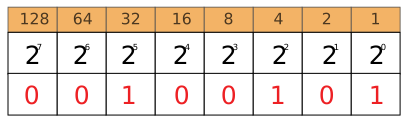
=00100101
or just 100101
Binary-Denary
Lets convert this number to denary: 1001011
First, put it in a table with columns from 20 to 27, or more or less as required
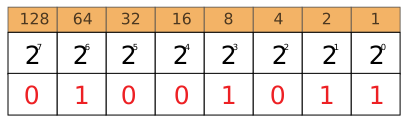
Now add up all of the denary column headers wherever you find a 1:
= 64 + 8 + 2 + 1
= 75
Binary-Hex
Let's convert this binary number to hex: 101101
Starting from the right, create groups of 4 bits (nibbles):

Now, convert each nibble to a hexadecimal number:

Warning! We are converting to hexadecimal. So, don't forget to change the 13 to D!
The final answer is 2D
Hex-Binary
Let's convert this hex number to binary: F3
There are 2 hex digits and each one can be represented by a binary nibble!
We need 2 nibbles:

Now we just need to do the conversion. Remember, HEX F is the same as 15 in denary.

The final answer is: 11110011
Denary-Hex
Strategy 1
We are going to keep dividing the denary number until we end up with 0.
Let's convert this denary number to hexadecimal: 75
The process is:
- divide the number by 16 and note the result
- also, note the remainder
- divide the result by 16 and note the remainder
- repeat this process until the result is 0

Now look at the remainder column. Starting from the bottom, write out the numbers. Remember to convert any numbers above 9 into hexadecimal characters:
=4 11
=4 B
Strategy 2
First convert the decimal number to binary. Then convert the binary number to hexadecimal. This process is easier for scientists who are not so good at maths!
Hex-Denary
Similar to binary, we just need to create a table with columns from 160 to 16whatever depending on the value we are converting.
Let's convert the hexadecimal number 32B to denary:
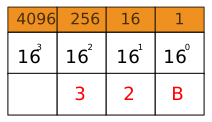
=(3*256) + (2*16) + (11*1)
=768 + 32 + 11
=811
Resources
Tags
color decimal binary rgb hexadecimal base-2 red byte base-10 green bit base-16 blue nibble